
Photo Enhancer vs Upscaler: Which One Does Your Photo Actually Need?
They sound like the same thing and they solve different problems. How to tell which one your photo needs, why the order matters, and what happens when you get it backwards.
 EnhanceIT
PRO
EnhanceIT
PRO
In today’s digital landscape, businesses are increasingly tempted to turn to artificial intelligence (AI) for various tasks, including enhancing photographs. While AI upscaling technologies have made significant strides, they cannot replace the nuanced artistry and technical prowess of professional commercial photography. Commercial photography serves not just as a method of creating stunning visuals; it acts as a primary trust signal that conveys brand authority and professionalism.
High-quality images are pivotal for businesses aiming to establish a robust brand identity and connect effectively with their audience. In this blog post, we’ll explore seven compelling reasons why commercial photography continues to outperform AI upscaling methods. Let’s begin by diving into why investing in professional photography is crucial for corporate success.
To maintain a premium brand image, it is usually better to book a Manchester photographer like www.thisisdecoy.co.uk to capture the session correctly. Getting it right from the beginning eliminates the need for excessive reliance on AI tools to “fix” images. Let’s delve into the reasons this remains the case.
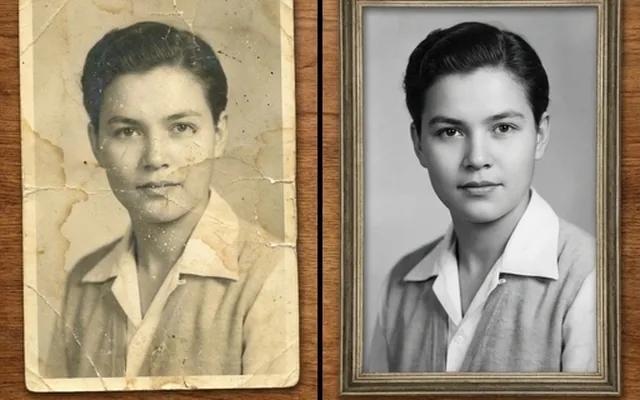
Try it yourself! Use our free AI Photo Restoration tool – no signup required.
Try AI Photo Restoration Free →
At the heart of any successful business lies its corporate identity, which is often encapsulated in visual representations like photographs. When potential clients or partners see images of a company, they form immediate judgments based on quality and presentation. Commercial photography goes beyond simply capturing a photo: it conveys the intentionality behind a brand. High-resolution images, executed by skilled photographers, reflect a business’s commitment to quality and professionalism. On the other hand, while AI can enhance images, it often lacks the depth of understanding required to create impactful visuals. The artistry involved in commercial photography helps build trust between brands and their audiences, making it a vital asset.
Despite its advancements, AI upscaling technology comes with notable shortcomings. One of the most glaring issues is “hallucination,” wherein AI algorithms may invent details that are technically incorrect, especially in complex scenes like product displays or machinery. This can lead to misleading representations that can harm a brand’s credibility. Furthermore, texture loss is another critical drawback; AI-enhanced images often exhibit a waxy, artificial look that detracts from the professional quality of corporate portraits. When it comes to capturing the essence of human emotions or the intricate details of fabrics and surfaces, nothing beats the authenticity of commercial photography.
AI algorithms can sharpen blurry images, but they cannot remedy poor lighting conditions. A well-composed professional photograph takes into account every aspect of lighting to create images that are not only clear but also flattering and impactful. In contrast, AI can only improve existing flaws without addressing the fundamental lighting issues that may have occurred during the original shooting. An amateur photograph taken under harsh lighting conditions will still look flat and unflattering, even after an AI enhancement. This gap in AI capabilities further underscores the value that experienced photographers bring to the table.
“Fixing it in post” is a risky business strategy. While software might provide a high-resolution output, it does not equate to high quality. An image with poor original composition will retain its flaws even after upscaling. In professional photography, the goal is to capture the raw data as perfectly as possible, meaning that composition, lighting, and detail are optimized before any digital enhancement. This not only saves time but also ensures that the final product is of the highest quality. Thus, businesses can focus on building their brand rather than dealing with the repercussions of technical shortcomings.
When brands invest in commercial photography, they are also investing in relationships. Quality images can help foster connections between a brand, its audience, and its stakeholders. In an era where social media plays a significant role in how businesses engage with clients, high-quality, authentic visuals are essential for effective communication. On the other hand, reliance on AI upscaling can create a disconnect between a brand and its audience. People are increasingly discerning; they can detect artificiality, which can lead to a loss of credibility.
A professional photographer has the skills to adapt to various settings and requirements, whether shooting in a corporate office, outdoor event, or studio. Their flexibility allows for tailored approaches that take into consideration the unique needs of each assignment. AI upscaling lacks this adaptability and can only manipulate existing images. If the initial image lacks the desired elements, an AI tool will not be able to rectify these shortcomings. Professional photographers assess each situation and gear their techniques accordingly, ensuring that the end result aligns with the brand’s vision.
One of the most important aspects of commercial photography is the human touch it brings to images. A skilled photographer understands how to evoke emotions, deliver subtle nuances, and capture stories through their work. This human element is something that AI cannot replicate. Machine-generated images may be technically sound, but they often lack the warmth and authenticity of human-created photographs. Brands aiming to create an emotional connection with their audience can benefit greatly from the artistry involved in professional photography.
Commercial photography provides authenticity, professionalism, and an emotional connection that AI cannot replicate. It’s an investment in your brand’s credibility.
While AI might seem cost-effective initially, the risks of compromising quality can lead to larger issues, potentially damaging your brand image.
AI tools can be useful for subtle enhancements after commissioning a professional shoot, but they should not be the primary means of image creation.
Poor lighting can lead to flat, unappealing images that AI can’t effectively rectify. Professional photographers understand lighting principles to ensure quality.
Investing in professional photography fosters credibility, brand authority, and creates lasting emotional connections with audiences, enhancing overall marketing efforts.
While AI upscaling technologies are valuable tools in the modern digital arsenal, they cannot replace the nuanced artistry and expertise of professional commercial photography. From building brand authority to capturing the essence of moments, the human touch in photography brings authenticity and reliability that AI simply cannot match. Investing in professional photography is not just an expense; it is a strategic move that pays dividends in brand reputation and client relationships. By understanding these seven reasons, businesses can better navigate the complexities of visual representation and choose the right path for their photographic needs.
📖 More in Photo Restoration & Colorization
They sound like the same thing and they solve different problems. How to tell which one your photo needs, why the order matters, and what happens when you get it backwards.
Remini popularised AI photo restoration and then put most of it behind a subscription. Seven alternatives compared on what they actually do well, what they charge, and where each one falls down.
Resizing and upscaling are not the same thing. What actually happens when you enlarge a photo, how far you can push it honestly, and where AI reconstruction stops being recovery and starts being invention.
What 'HD' actually means in pixels, how far a low-resolution photo can honestly be pushed, and the free route from a small blurry picture to something you can print or publish.