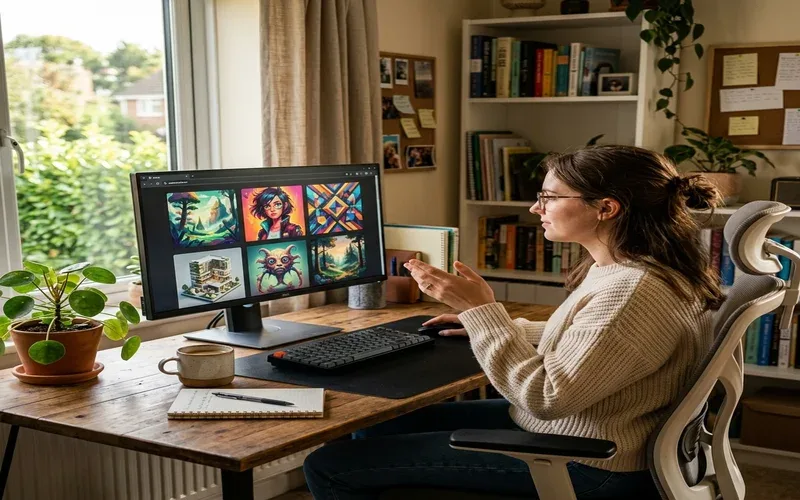
Best free AI image generators 2026
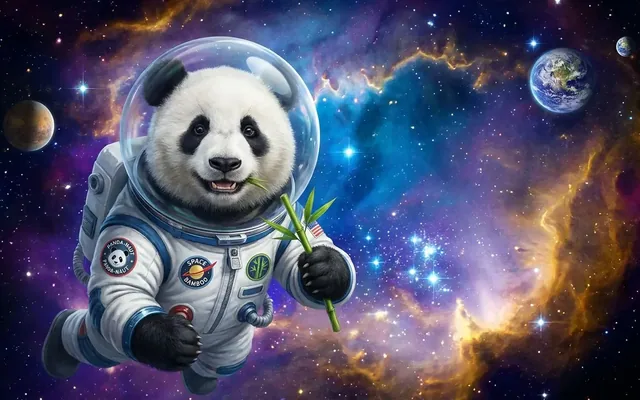
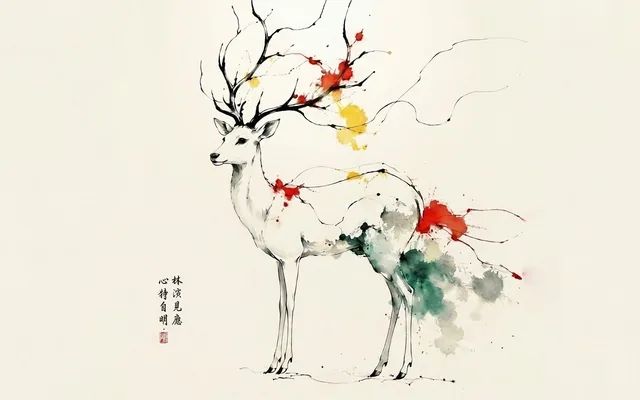
Free AI image generators have gotten genuinely good this year. Not “free with a watermark” good — actually good. I spent several weeks working through…
 EnhanceIT
PRO
EnhanceIT
PRO
Tabletop roleplaying games have always relied heavily on the theater of the mind, but having a high-quality visual representation of your character adds immense value to any campaign. In the past, players had two choices: spend hours searching Pinterest for a piece of art that vaguely resembled their hero, or pay significant amounts of money to commission a professional illustrator.
By 2026, artificial intelligence has fundamentally altered how players visualize their characters, NPCs, and campaign settings. However, generic image generators often struggle with the specific nuances of fantasy roleplaying. They frequently mess up non-human anatomies, misinterpret armor layering, or completely ignore specific weapon requests.
To get the best results, you need tools specifically tailored to fantasy art, character consistency, and tabletop workflows. After extensive testing, we have compiled the top 10 AI art generators for D&D and tabletop RPG character design in 2026.
When it comes to creating highly specific fantasy characters, the DND AI Art Generator from EnhanceIT PRO takes the top spot.
Unlike general-purpose models, this tool is fine-tuned on fantasy archetypes, races, and classes. When you ask it for a Tiefling warlock with curved horns and scale mail, it understands exactly what those terms mean in the context of tabletop gaming. It does not try to give you a generic sci-fi demon; it gives you a character that looks like they belong in a Player’s Handbook.
Furthermore, it smoothly integrates with the rest of the EnhanceIT platform. If you generate a beautiful portrait but want to extract the character to use as a token on a Virtual Tabletop (VTT) like Roll20 or Foundry, you can immediately run it through the AI Background Remover. This unified workflow saves significant time for Dungeon Masters preparing weekly sessions.
Key Features:
– Fine-tuned for specific D&D races and classes.
– Integrated background removal for fast VTT token creation.
– No watermarks on final exports.
– Browser-based with no forced sign-ups to try.
Pricing: Free to start, with premium options for high-volume campaign preparation.
If your only goal is achieving the absolute highest level of artistic fidelity, Midjourney remains the industry heavyweight. The sheer quality, lighting, and painterly texture it produces are unmatched by almost anything else on the market.
However, it is not built specifically for D&D. Getting a Dragonborn to look exactly right requires extensive prompting, trial and error, and a deep understanding of Midjourney’s parameters. It also requires a paid subscription from day one and operates primarily through Discord, which can be a frustrating interface for casual users.
Pricing: Subscriptions begin at $10/month.
One of the biggest problems with AI art is consistency. If you generate a great portrait of your rogue, generating a second picture of that exact same rogue in a different pose is incredibly difficult.
QuestStudio focuses entirely on this problem. It uses advanced character reference features (CRF) to lock in your hero’s facial features and armor, allowing you to generate turnaround sheets, action poses, and campfire scenes without your character changing appearance.
Pricing: Credit-based system starting at $15/month.
CharGen AI is a purpose-built suite for Dungeon Masters. It does not just generate characters; it generates maps, monster stat block art, and item cards.
Its standout feature is the “Character Turbo” prompter, which forces you to fill out specific fields (Race, Class, Armor Type, Weapon, Alignment) rather than typing a free-form prompt. This structure helps beginners get excellent results without needing to learn complex prompting syntax.
Pricing: Freemium model with limited daily credits.
When you upload pixel-based images (like PNGs or JPGs) to a Virtual Tabletop, they can become blurry when players zoom in closely on the map.
SVGMaker solves this by generating vector-based illustrations. While the art style leans more toward cel-shaded comic books rather than oil paintings, the ability to scale your character tokens to any size without losing a single pixel of quality is a massive advantage for digital tabletop players.
Pricing: Generous free tier; pro features require a subscription.
Leonardo AI offers an incredible amount of control over the generation process. For D&D players, its primary draw is the community model library. Users have trained specific custom models for tabletop gaming, including models dedicated entirely to generating isometric dungeon tiles, watercolor character portraits, and specific fantasy races.
It has a steep learning curve, but if you are willing to spend the time mastering its interface, it is one of the most powerful tools available.
Pricing: 150 fast tokens provided daily for free.
If you are a Dungeon Master who broadcasts your campaigns on Twitch, or if you publish third-party adventures on platforms like the Dungeon Masters Guild, copyright safety is a major concern.
Adobe Firefly was trained exclusively on licensed and public domain imagery. You can use its outputs in commercial projects without worrying about the legal ambiguity that plagues other generative platforms. The fantasy art style is a bit softer and less gritty than Midjourney, but the commercial safety is a massive selling point.
Pricing: Included with Creative Cloud; standalone plans available.
Artbreeder takes a unique approach to generation. Instead of relying purely on text prompts, you “breed” different images together, adjusting sliders to combine traits.
For D&D, this is exceptionally useful for generating entire families of NPCs. You can take the portrait of a king, blend it with a generic knight, and instantly generate portraits for three distinct princes that actually share facial features. It is a fantastic world-building tool for DMs.
Pricing: Free limited tier; premium memberships start low.
Powered by OpenAI’s technology, Bing Image Creator is the easiest tool to access on this list. You type a prompt into your browser, and it generates four highly accurate images.
It excels at following complex instructions. If you ask for a “Gnome wizard with a purple hat, holding a glowing blue orb in his left hand and a wooden staff in his right,” it will likely get every detail correct on the first try. The only downside is that the art style often looks a bit too clean and plastic, lacking the gritty realism many D&D players prefer.
Pricing: Free to use with a Microsoft account.
NightCafe is as much a social network as it is an art generator. It allows you to use multiple different algorithms (including Stable Diffusion and DALL-E) in one place.
For D&D players, the real value lies in the community. You can browse thousands of fantasy characters created by other users, see the exact prompts they used, and duplicate those prompts to create your own variations. It is an excellent place to learn how to generate better fantasy art.
Pricing: 5 free daily credits, with paid top-ups available.
Finding the right AI tool for your campaign depends on your specific needs. If you want a fast, highly specialized generator that understands fantasy races and seamlessly integrates with token-creation tools, EnhanceIT PRO is the strongest choice on the market today.
If you are interested in exploring other forms of generative imagery, take a look at our recent roundup of the best free AI image generators in 2026, which covers general-purpose tools for all types of digital art.
Free AI image generators have gotten genuinely good this year. Not “free with a watermark” good — actually good. I spent several weeks working through…
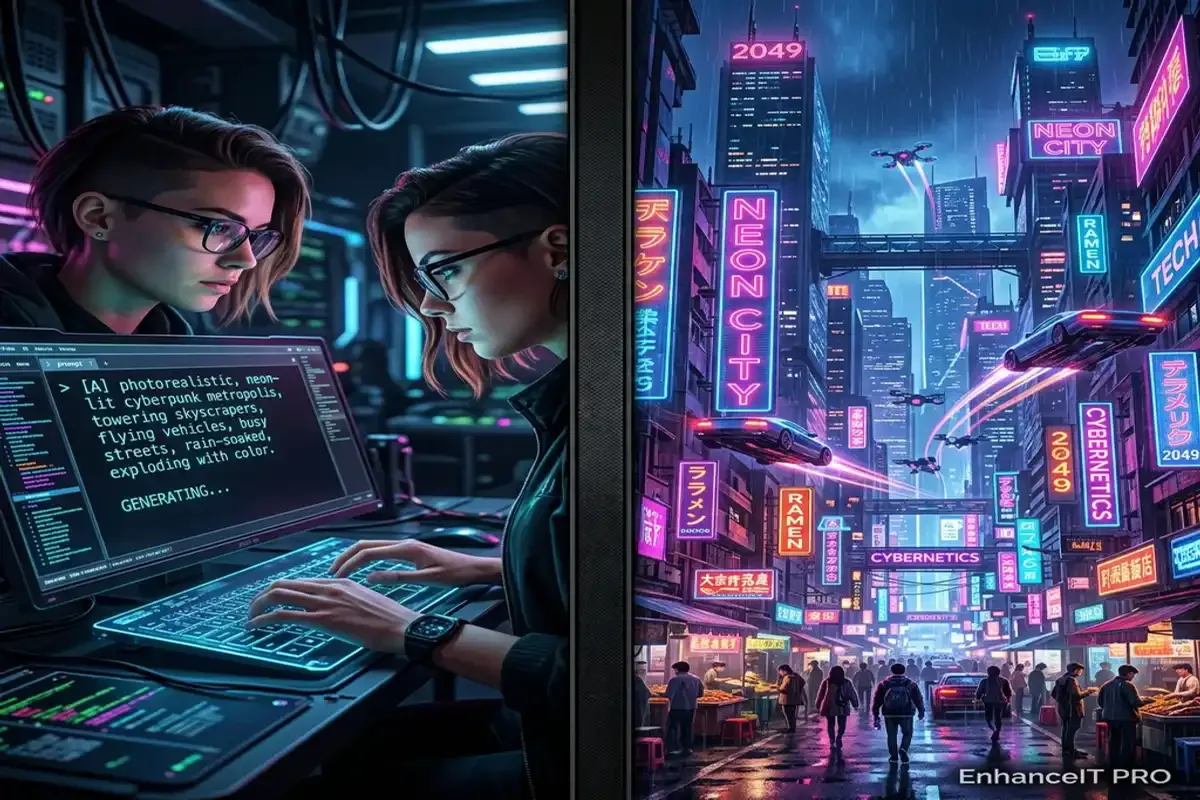
Artificial intelligence has completely revolutionized how we create digital art over the past few years. You no longer need expensive graphic design software or years…
Midjourney completely revolutionized the world of digital art. It allowed absolutely anyone to generate breathtaking, highly detailed images using simple text prompts. However, as the…
Creating beautiful images with AI requires clear instructions. If you type a single word into a generator, you get a random result. The AI guesses…