
4K Photo Enhancer
3840×2160 with detail that earns it — the AI rebuilds your photo at 4K instead of stretching it there.

4K is where screens have settled: monitors, TVs, and the displays photos are actually judged on. A photo that falls short of 3840×2160 gets stretched by the display itself — the softness people blame on the picture is often just the gap between its pixels and the screen's.
A 4K photo enhancer closes that gap properly. Instead of letting the display interpolate, the AI reconstructs the photo at 4K — real edges, real texture — so the screen finally shows it pixel-for-pixel sharp. For most photos this is the single biggest visible upgrade one run can buy.
What 4K is for
Wallpapers
Your own photo as a 4K desktop or TV background, sharp at native resolution.
Presentations on big screens
Images that stay crisp projected or on conference-room 4K panels.
Photo books and A4–A3 prints
4K comfortably clears 300 DPI at album sizes.
Listings and portfolios
Product and portfolio shots that survive the zoom-in every buyer does.
Getting clean 4K
- One 4× pass covers most sources; chain a second only if you started tiny.
- Noisy source? Enhance first — 4K makes whatever it is given four times more visible.
- For wallpapers, upscale first and crop to 3840×2160 second, so composition stays yours.
All tools
 HOT
HOT
Image Enhancer
Instantly improve image quality.
1 credits · Free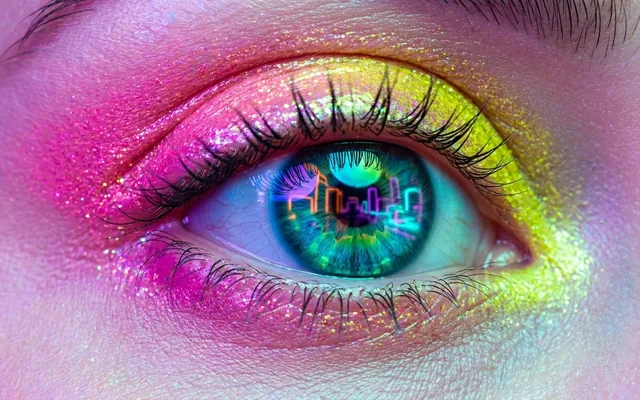 4K
4K
Image Upscaler
Upscale images up to 4K resolution.
1 credits · Free
Image Sharpener
Fix blurry and out-of-focus photos.
1 credits · Free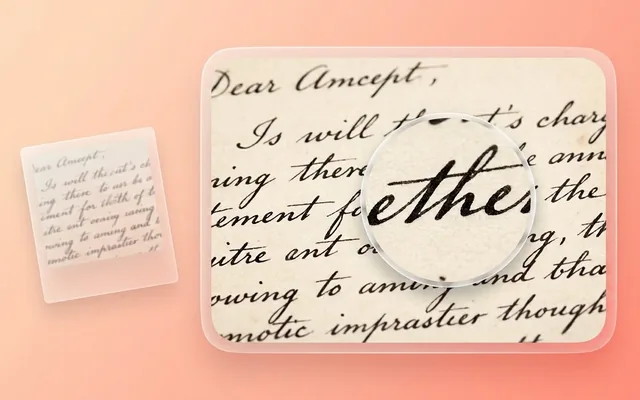
Text Clarifier
Make blurry text in photos and scans readable.
7 credits · Free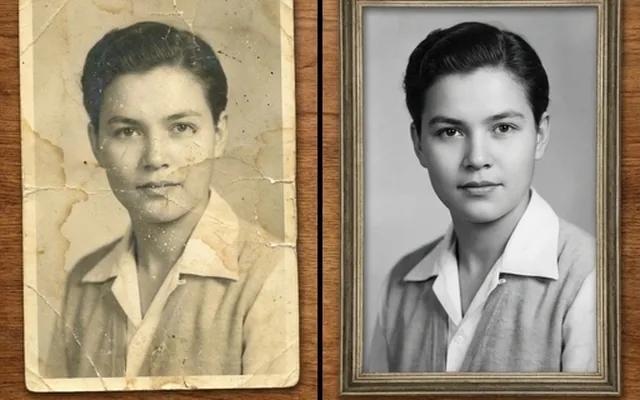
Photo Restore
Repair tears, creases, stains and fading in old photos.
2 credits · Free
AI Face Enhancer
Sharpen and restore faces in blurry or low-resolution photos.
1 credits · Free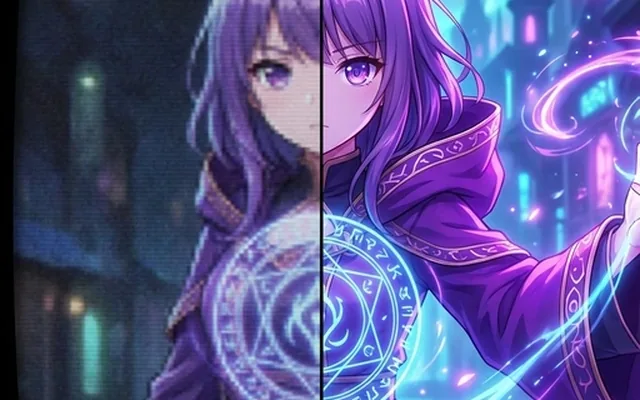
AI Anime Enhancer
Enhance and upscale anime images.
1 credits · Free HOT
HOT
Background Remover
Remove backgrounds automatically.
1 credits · FreeFrequently asked questions
What counts as a 4K photo?
3840×2160 pixels or better — about 8.3 megapixels arranged for a 16:9 screen. A photo below that gets visibly soft as a 4K wallpaper or on a 4K TV; at or above it, the display shows the image pixel-perfect.
My photo is 1000 pixels wide. Can it become 4K?
Yes — a 4× pass takes 1000 pixels to 4000, past the 4K line, and the AI fills the new resolution with reconstructed detail rather than blur. Very small sources benefit from an enhancement pass first.
4K or 8K — which should I choose?
4K covers screens, social, and prints to roughly A3; it is the practical target for almost everyone. Choose 8K when the use is large-format print or heavy cropping. Both run on the same credits, so the real question is the destination.
Does the upscale keep the original aspect ratio?
Yes — nothing is cropped or stretched. “4K” refers to the resolution class; your photo keeps its own proportions at roughly 4× the pixel count.